Results

A result is not a transformation. It is a standard, kept.

Twelve weeks will change anyone. The harder questions are what a first year honestly does to a body, and what happens when the standard is held for fifteen. Both are answered below.

What a first year looks like · Illustration

What twelve months of this actually does.

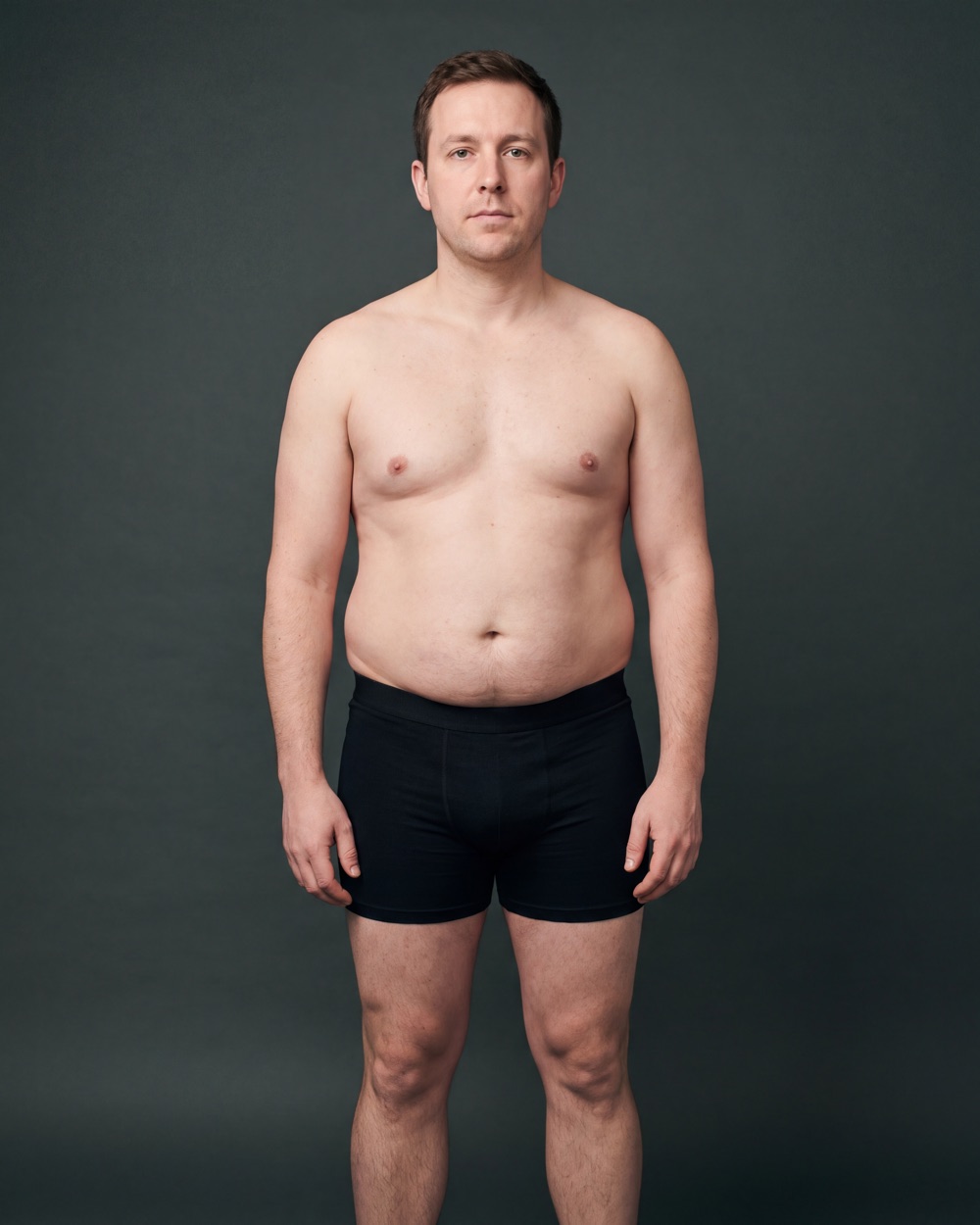
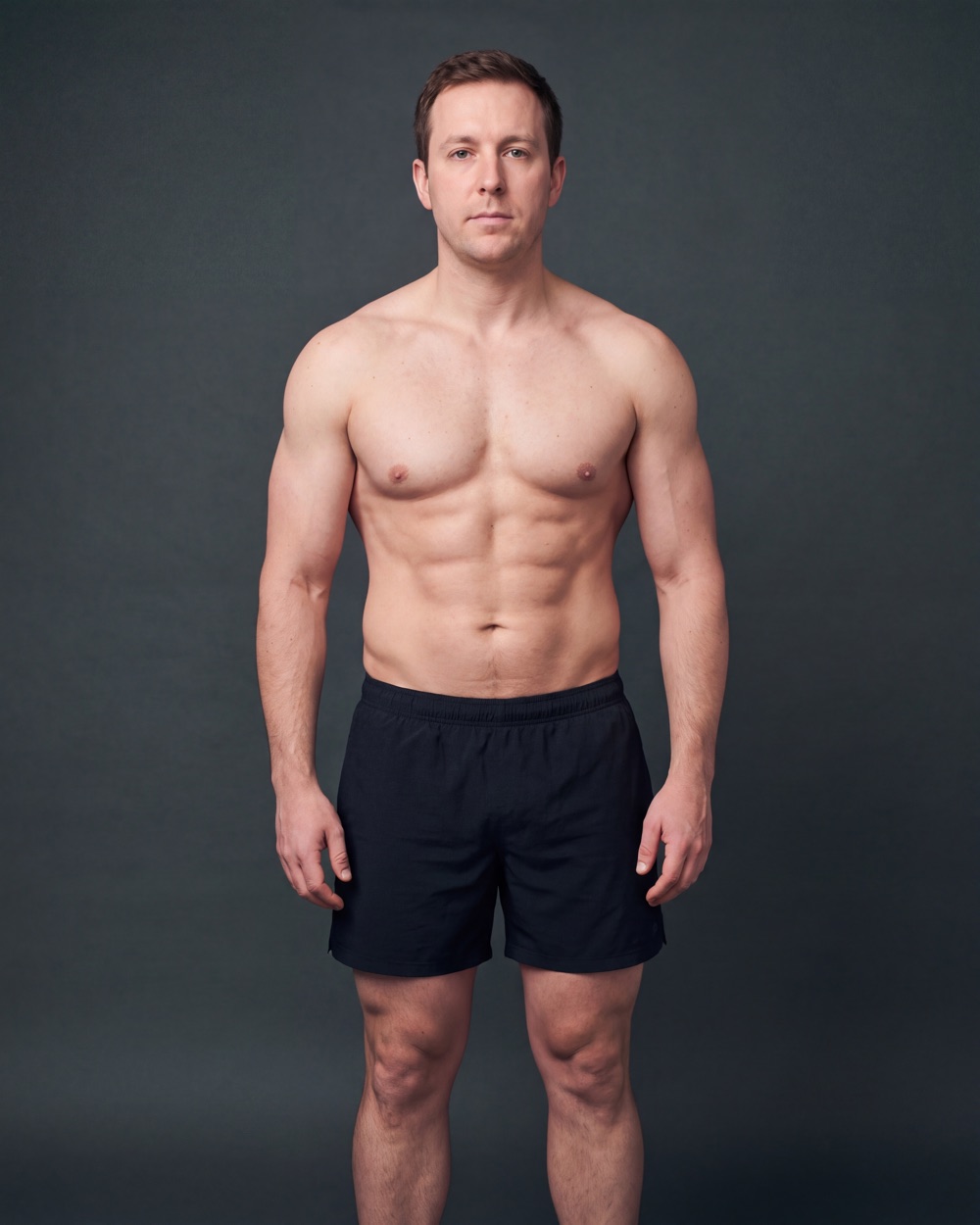
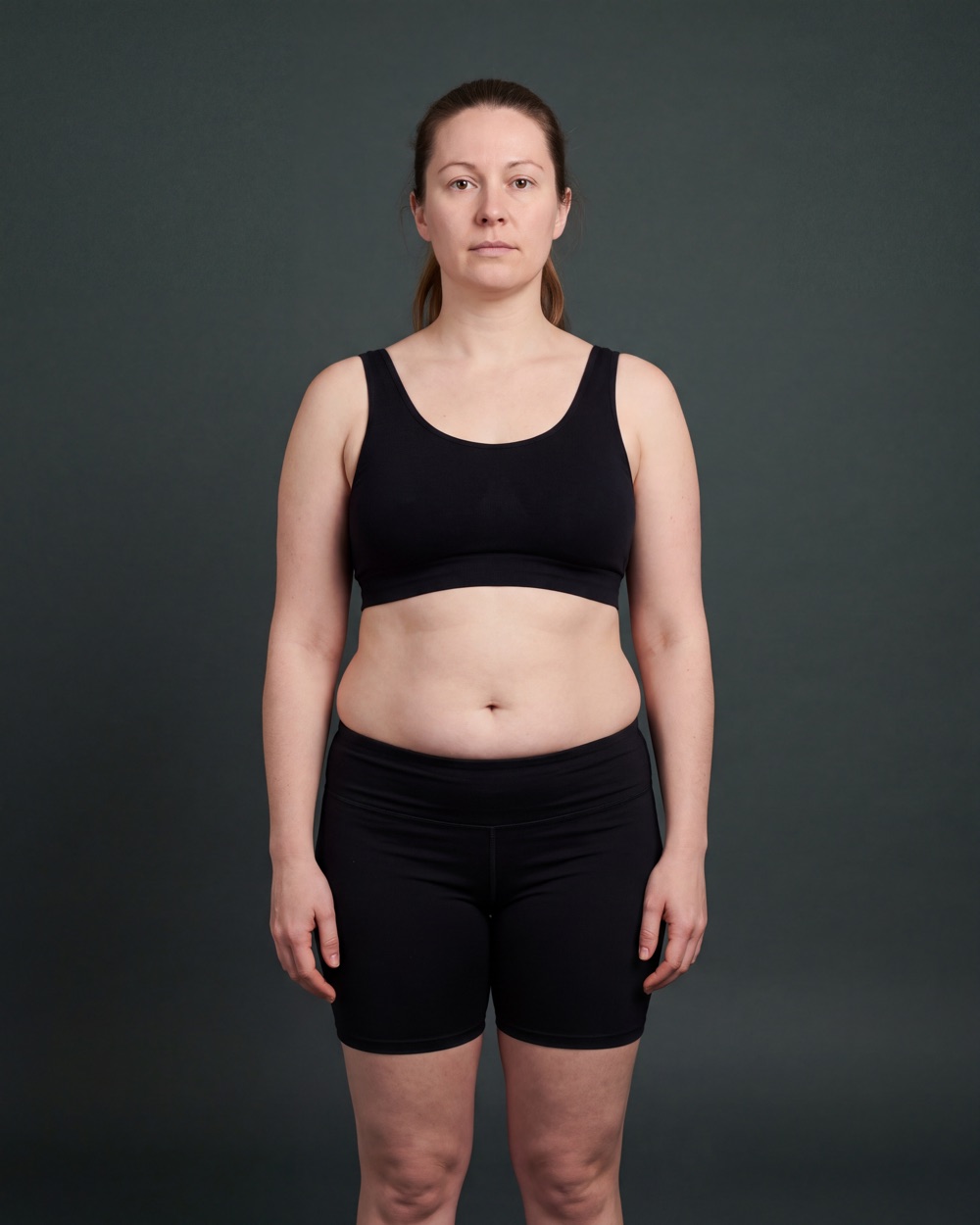
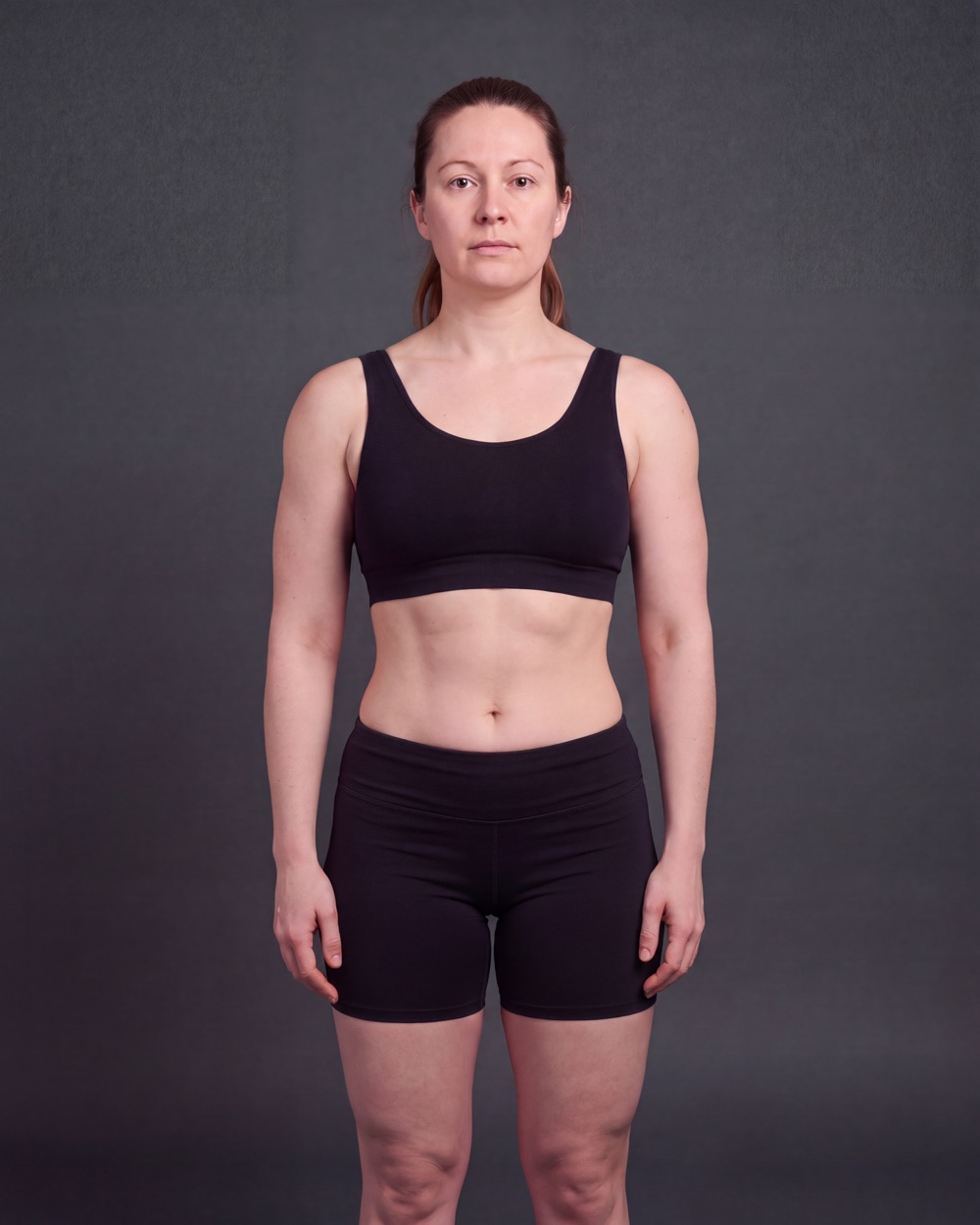
Both figures start where most people start: untrained, with weight to lose. Twelve months of real training with the food handled moves a beginner further than almost anyone expects — fat down and muscle up at once, which is where a change you can actually see comes from.

Illustration of an untrained man standing against a plain studio ground
Month 0
Illustration of the same man after twelve months of training
Month 12

A man, training twice a week

  • Roughly 30% body fat down to the mid teens
  • Around 10 kg of muscle on the frame
  • Waist in, shoulders out, a real V from the back
Illustration of an untrained woman standing against a plain studio ground
Month 0
Illustration of the same woman after twelve months of training
Month 12

A woman, training twice a week

  • Waist visibly cinched, midsection flat and firm
  • Around 8 kg of muscle, shoulders capped and arms defined
  • Glutes and legs stronger — not smaller, shaped
Lean mass, year one15–25 lbis what an untrained man can add in his first twelve months of real training. Year two is a fraction of it, which is why the first year matters most.Novice resistance-training literature
Women, per block+1.2 kgof lean mass, with around 3 kg of fat off, across twelve weeks in controlled trials. Stronger and firmer rather than smaller.Randomised controlled trial, untrained women, 12 weeks
Fat mass, 24 weeks−10%when training and nutrition are run together. This is where a change you can actually see comes from, not the number on the scale.24-week combined-training trial
Habit60–90 daysbefore a session stops costing willpower. Missing a single day does not reset it, and almost nobody tells you that.Lally et al., European Journal of Social Psychology, 2010
My own record

I was the skinny one.

Before this was a business it was a problem I had. I could not put weight on, I trained badly for years, and what finally worked was the boring part: the same lifts, logged, for long enough to stop being interesting. That is the method, and I ran it on myself first.

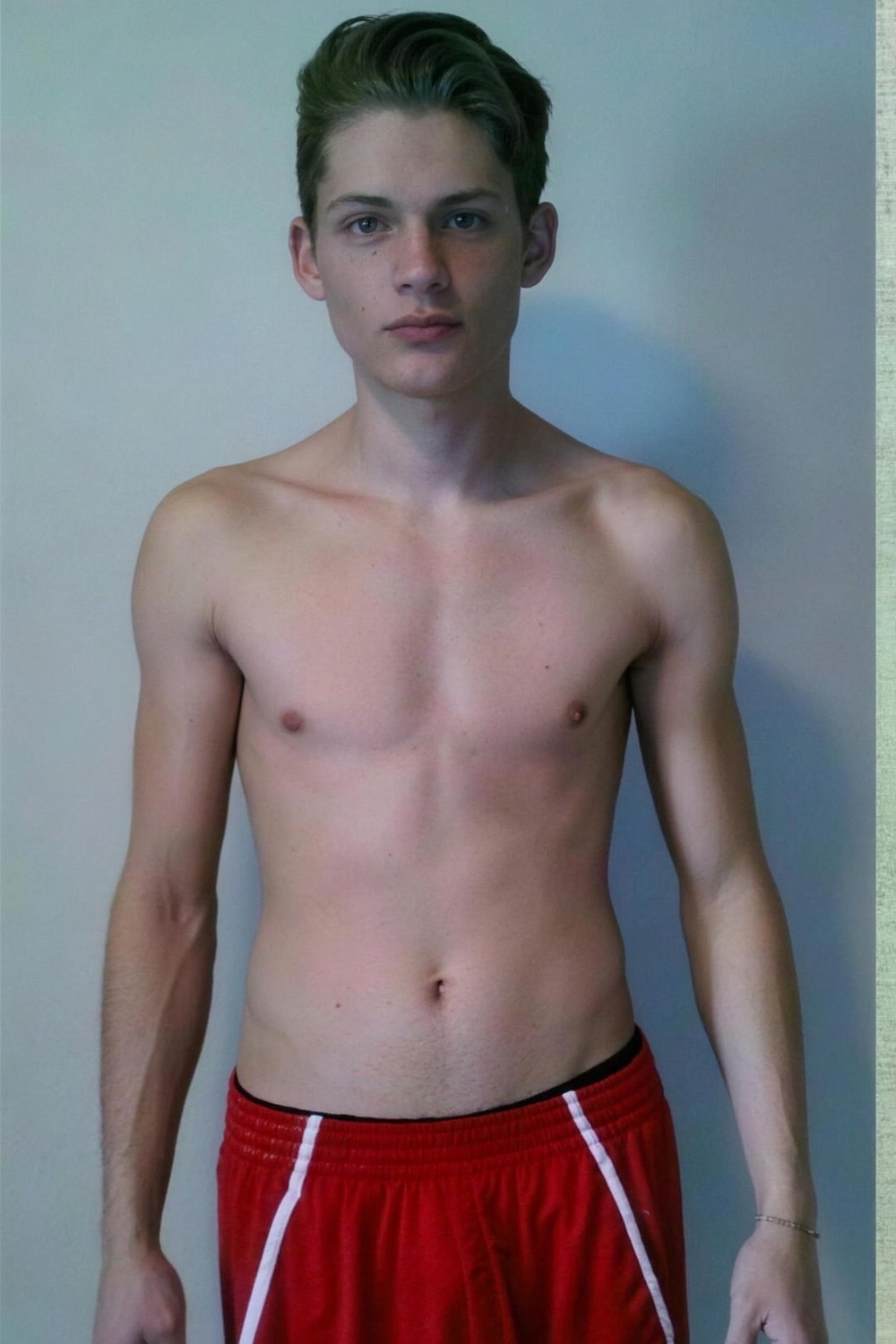
Christian Monik before he trained, standing against a plain wall
The startUnderweight and untrainedNo strength, no shape, and no idea what I was doing in a gym.
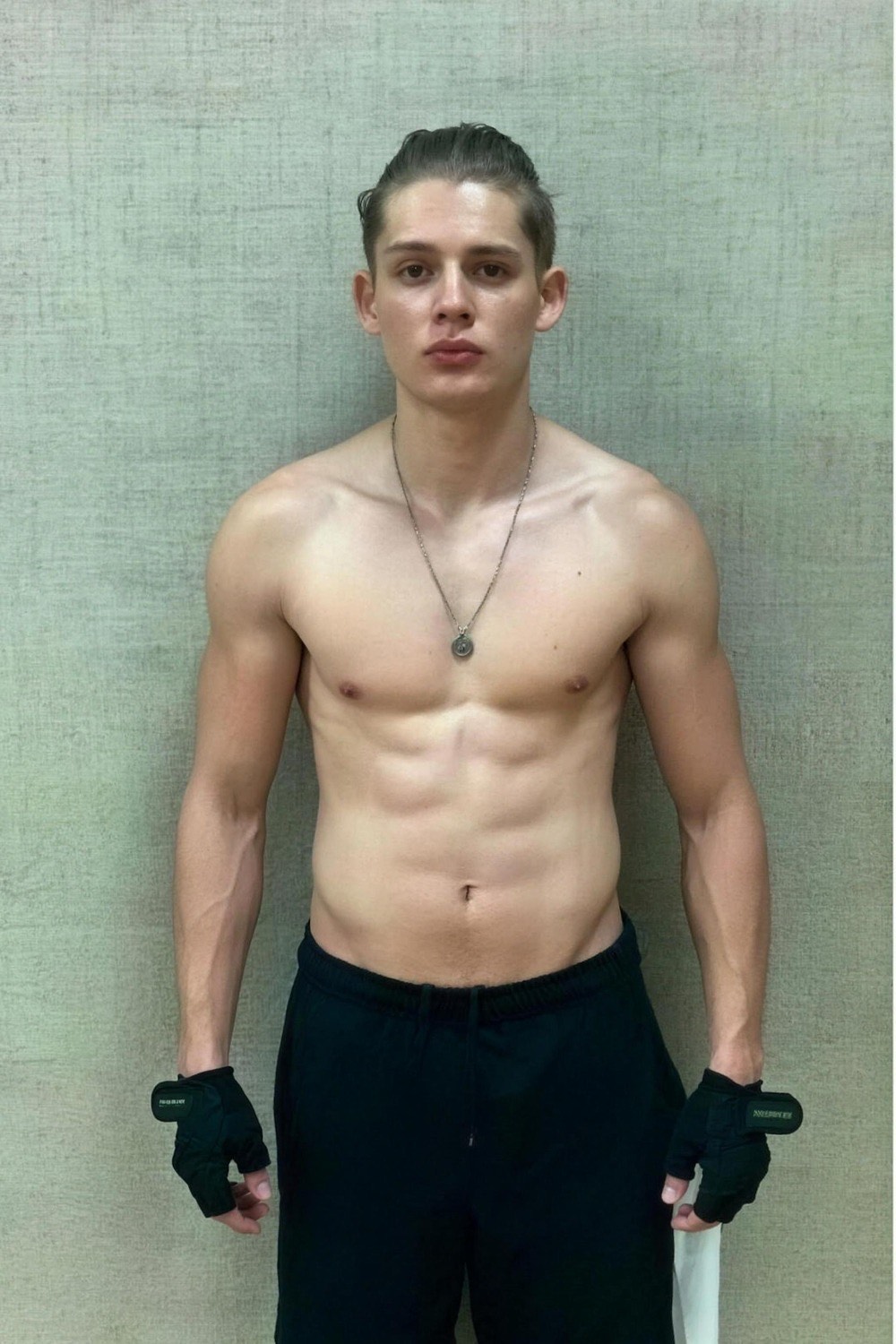
Christian Monik after his first years of training, standing against a plain wall
A decade agoThe first real yearWhat consistency alone gets you. Lean, but still light and still learning.
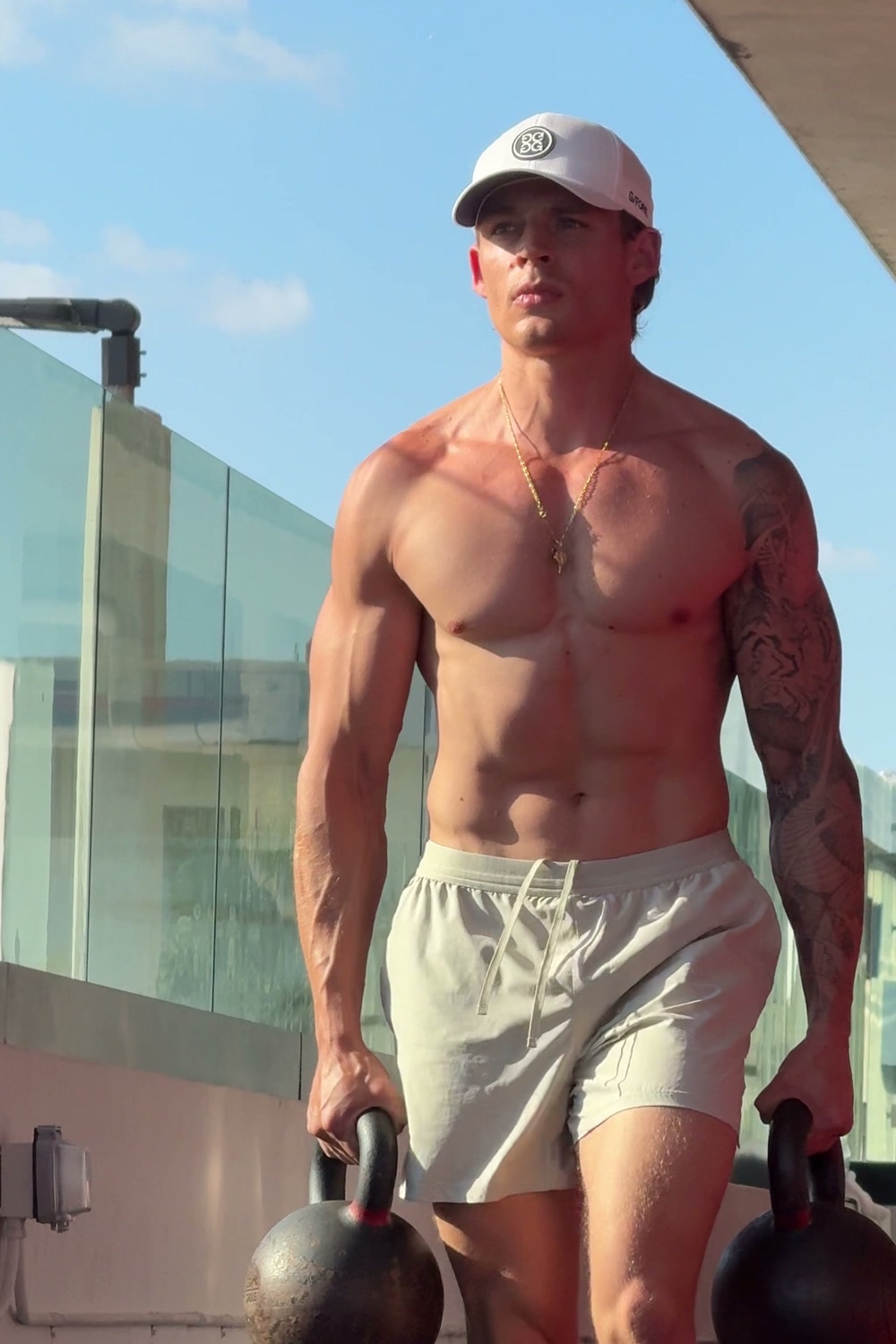
Christian Monik photographed recently, standing
NowFifteen years of the same rulesHeavier, stronger, and carrying more muscle than the middle frame. The difference is time under the same standard.
I
The portfolio years

Held to a standard by other people

Casting is an unsentimental business. The work goes to whoever is ready on the day, and there is no cramming for a camera the way you can cram for an exam. That is where the habit started, and it started as maintenance rather than motivation.

II
Six years inside high-end golf

The body in service of a skill

Inside high-end golf nobody asks what you lift. They ask whether you rotate, whether you stay stable, and whether you repeat it on the last hole as cleanly as the first. Performance stopped being a look and became a measurement.

III
Now

Nothing asked that was not asked of me first

NASM-certified, training clients in Miami and online, and still working under the same rules a client is handed on day one. Progressive overload logged every session, protein hit daily, sleep defended. The programme holds up because it is the one I live.

The rest of this page gets written by whoever goes first.

Client results go up here when the person who earned them agrees in writing to have them shown — their words, their numbers, their photographs. Nothing borrowed and nothing invented. Until then you have my own record, the research it is built on, and an hour of my time to decide whether it is for you.

Book your free Standard Assessment